


The Invisible Majority: Why Most Employee and Customer Feedback Is Missing From Your Surveys
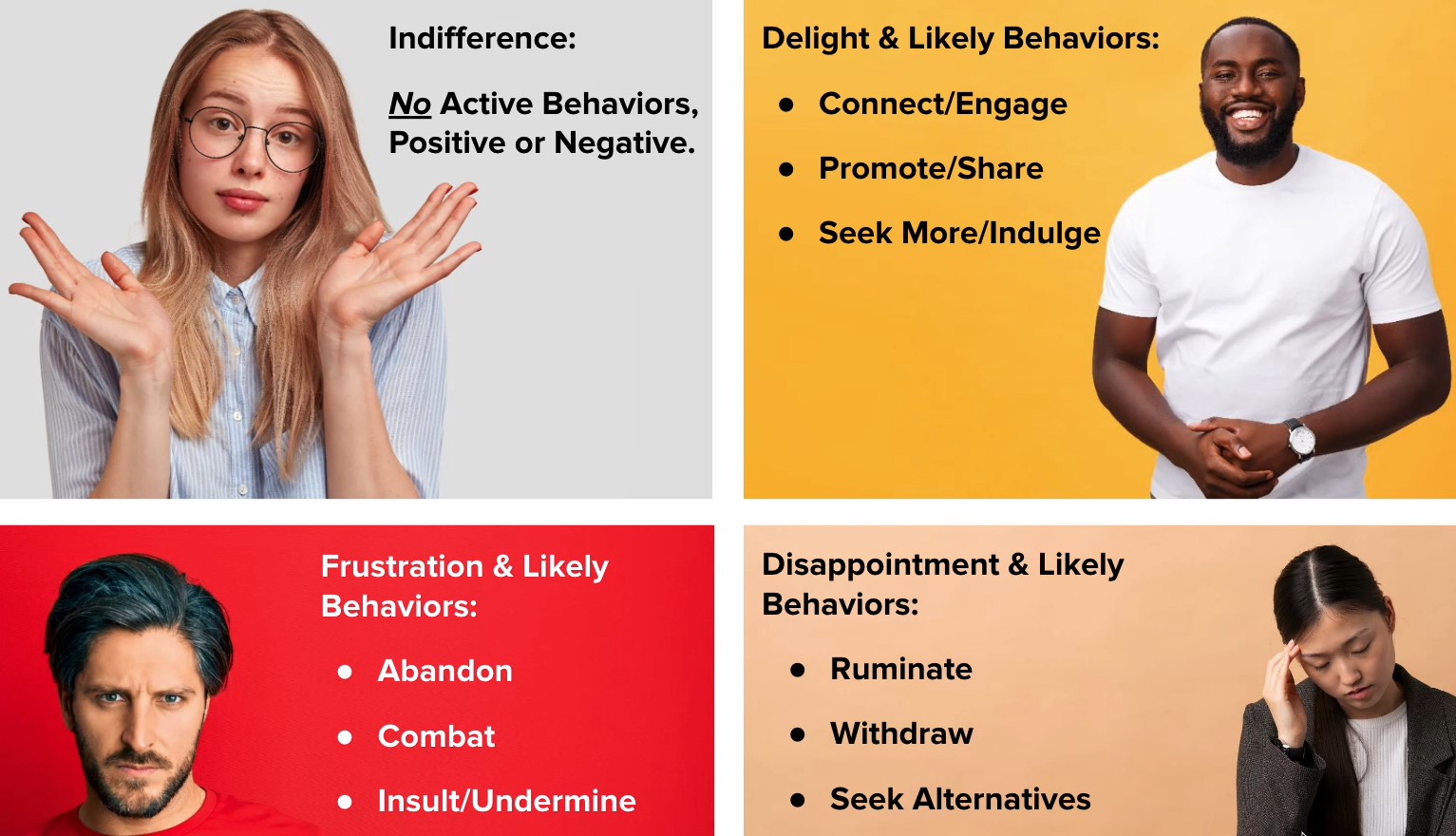
In nearly every organization, employee and customer experience follows a bell curve. At one end are those who are deeply dissatisfied. At the other are those who are highly satisfied or delighted. In the middle sits the largest group — people who feel mildly frustrated, uncertain, indifferent, or cautiously satisfied.
This group is the Invisible Majority.

Why Likert Scales Fail to Measure Real Experience
Likert scales were created to simplify complex opinions into manageable data points. They were never designed to measure emotional experience — yet that is how they are commonly used today.
When people are asked to rate their experience on a numeric scale, they must translate emotion into logic. This translation process removes context and collapses nuance.

Emotional Feedback Tools: What Traditional Surveys Miss About Human Experience
Human experience is emotional before it is rational. Whether someone is interacting with a brand, a leader, or a workplace system, their emotional response shapes perception, memory, and behavior long before logic enters the picture.
Yet most feedback tools were never designed to measure emotion directly.

Why Leaders Can’t Take Action on Survey Feedback
Many leaders carry a quiet frustration. They invest time and resources into collecting feedback, yet when the results arrive, they still don’t know what to do next.
This is often mistaken for resistance or lack of commitment. In reality, it is a structural issue rooted in how feedback is measured.
Survey Fatigue Explained: Why Employees and Customers Stop Responding
Most organizations believe survey fatigue is caused by sending too many surveys. In reality, fatigue comes from something deeper: the emotional and cognitive effort required to respond, combined with the belief that nothing will change anyway.
Alternatives to NPS: Why Measuring Emotion + Intensity Leads to Better CX Decisions
Net Promoter Score was created to simplify customer feedback into a single, easy-to-understand number. For a time, it served that purpose well. But as customer expectations, channels, and complexity have grown, many CX leaders now find themselves asking a deeper question: why do our scores move, yet our outcomes don’t?
Importance of Survey Structure: Questions You Should be Asking for the Most Accurate Data Results
Surveys are an important aspect for any business, new or old, big or small. “Your customers’ opinions and feedback are one of the most essential components for the sustainability and growth of your business and are considered important throughout the customer lifecycle.”

Best Practices to Promote Exceptional Customer Service
Can you think of a time where you feel you received exceptional customer service? What about this experience stood out to you?
Striving to give your customers/patients exceptional service is what can make you stand out against your competitors.
Customer Service Recovery the Impact of Timely Response
Having trouble with delayed responses to customer feedback? Concerned about your overall customer retention rate and your business’ reputation? In order to maintain customer loyalty and retention, it is crucial to respond to customer feedback in a timely manner. A quick response to feedback can help customers feel their opinions matter and are being heard.
Impact of Employee Satisfaction in Business
In the Article “Why Employee Engagement Is Key to Company Success “, Jessica Brook mentions that only about “30% of employees are engaged at work. When employees are engaged their motivation and commitment to their employer increases which leads to driving the business forward and achieving more goals and higher quality work. She continues to mention that companies with a high level of engagement report 22% higher productivity” According to Brook, Talent Culture found that investing in improved employee engagement can increase profits by 10%.
Impact of Risk and Business | Ravencsi
Will Kenton‘s definition of business risk is perfectly stated; “Business risk is the exposure a company or organization has to factor(s) that will lower its profits or lead it to fail. Anything that threatens a company’s ability to meet its target or achieve its financial goals is called business risk. These risks come from a variety of sources, so it’s not always the company head or a manager who’s to blame. Instead, the risks may come from other sources within the firm or they may be external—from regulations to the overall economy.”
Customer Retention. What the Data tells us?
Have you ever wondered what percentage of your customers return to use your services or products? What about the customers that haven’t returned? What are their reasons for not coming back? Customer retention is an important aspect of maintaining a sustainable business. Here are some tips, tricks, and data regarding the importance of customer retention and how you can maintain loyal customers.
Power of Referrals in Building a Business
Have you ever wondered what customers think about your product or the services you provide? How likely are they willing to recommend your business to their friends and family? In the business world, referrals are key. They have been an effective way to market businesses for years and can be a critical influence in revenue. Below is data regarding how powerful referrals can really be in marketing and maintaining a successful business.
Cost of Negative Social Media and How to Avoid it!
As a business owner or shareholder, has your business ever been the victim of negative social media from some of your customers? What is the cost to my business from lost revenue or referrals? Is there a way to easily capture issues at the time of occurrence and resolve them with the customer in a timely way to avoid this from happening?
If you have experienced any of these situations or had questions with regard to the impact, we have some data and information below to help you avoid the impact or loss.
